The core technologies designed to improve efficiency, sustainability, and smart infrastructure. Explore how each solution works.
Scaling, biofouling, corrosion
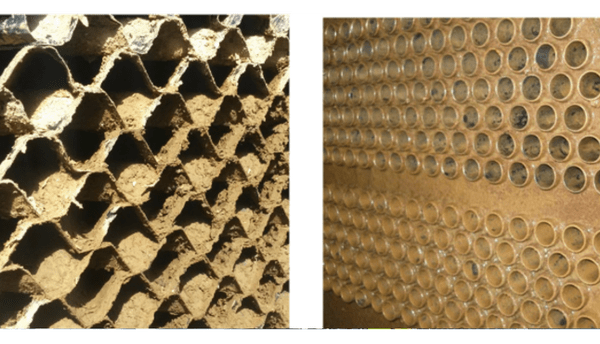
1 mm of scale increases energy consumption by 10-15%. ·Causes equipment strain, leading to premature failure and costly downtime.
Increase energy wastage
Drives up energy bills month after month. Requires expensive chemical treatments and manual cleaning. ·Increases water consumption and wastewater fees due to frequent blowdown.
Reduce facility performance
Reduction in the cooling effect, facility lifespan shortening, and increase in energy and maintenance costs
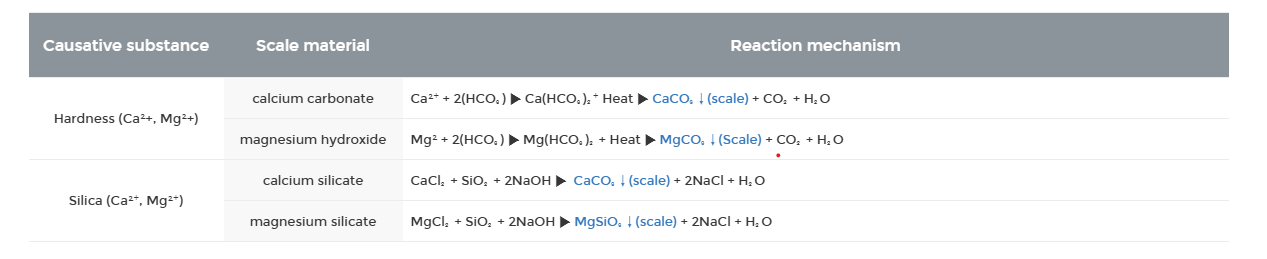
Scale refers to a material attached to the heat transferring surface in solid form from any kind of precipitate deposits in the water, and the scale generating material in the low-pressure boiler mostly is a hardness component (Ca&Mg) and a silica (SIO2) component.
Low-pressure boilers usually bring water supply from the water that has gone through softening devices, but the hardness and components leaked by incomplete management of softening devices are mainly scaled. Scale disability refers to the malfunction of the original heat transfer in the boiler by any component attached to the heat transfer surface.
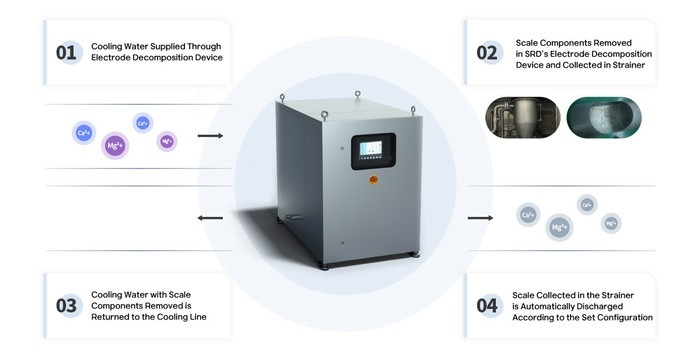
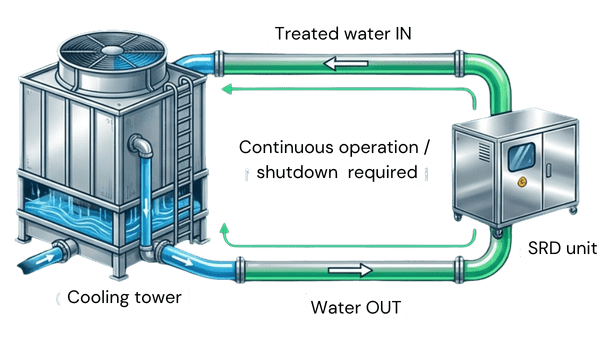
The water changed into the electrolyte structure takes away scale causative material from the existing scale and discharges it from the water system after electrolyzing, to supplement the scale causative materials lost by the electrolysis reaction and maintain the balance by circulating.
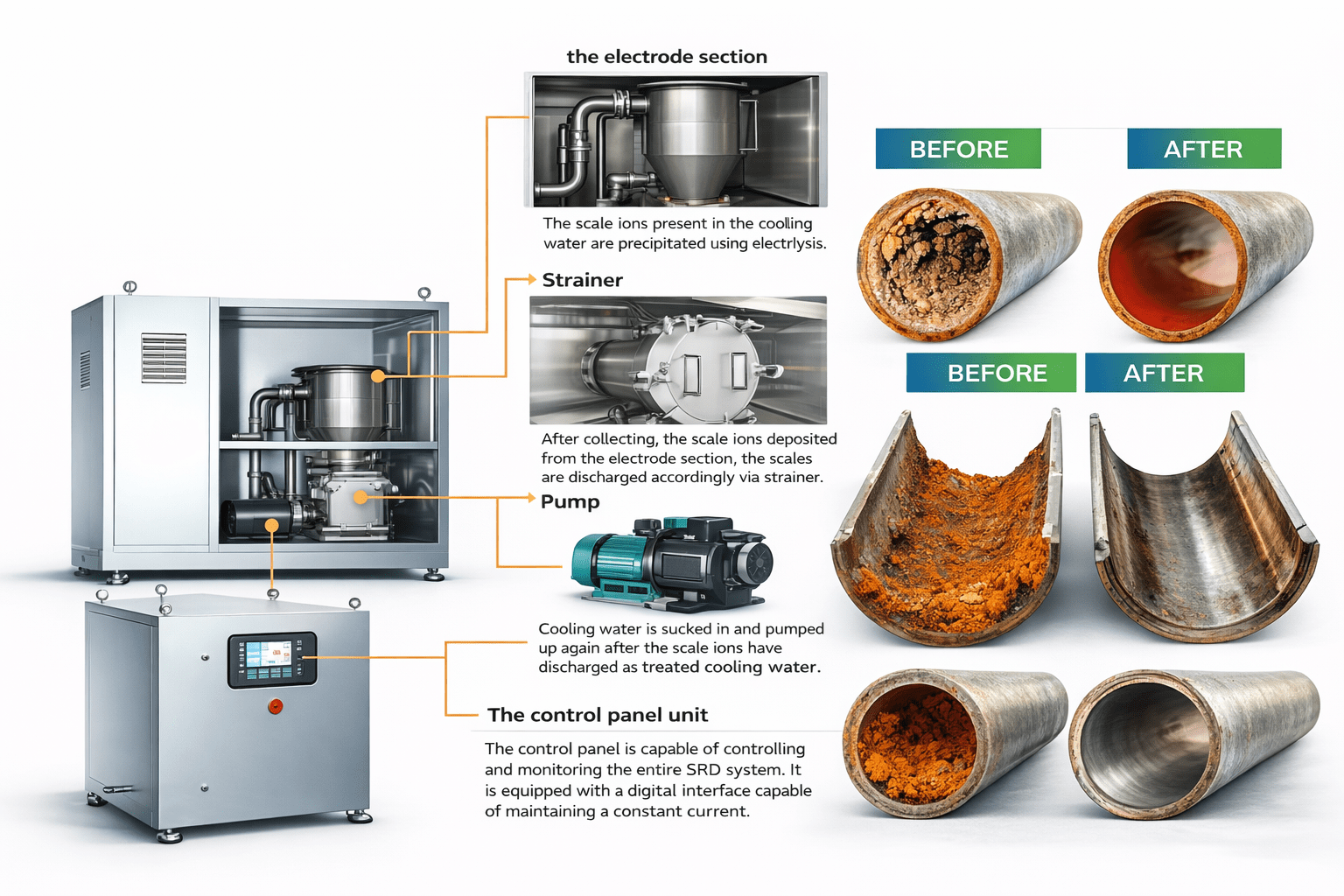
Purpose: Prevent the development of the scale from internal and external of the cooling device in advance, by electrolyzing Ca2+ (calcium), Mg2+ (magnesium), and SiO₂(silicon dioxide), etc., returning them to (-) electrode and depositing in the form of CaO (calcium oxide) to automatically discharge them out of the ventilation system.
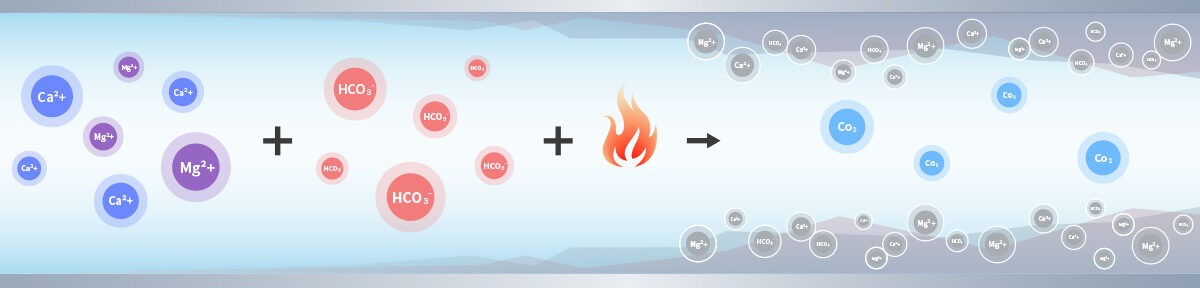
The formation of hard properties scale occurs by adhesion to the boiler tube wall due to high temperature after combining the hardness components (Ca², Mg²) dissolved in the precipitate with bicarbonate